Production Android AI product

WittyKeys brings Claude-powered writing help into the keyboard.

A public Android AI keyboard and reply assistant for bilingual/Hinglish communication, built around the places people already write.

Android Claude Firebase Play Billing Google Play
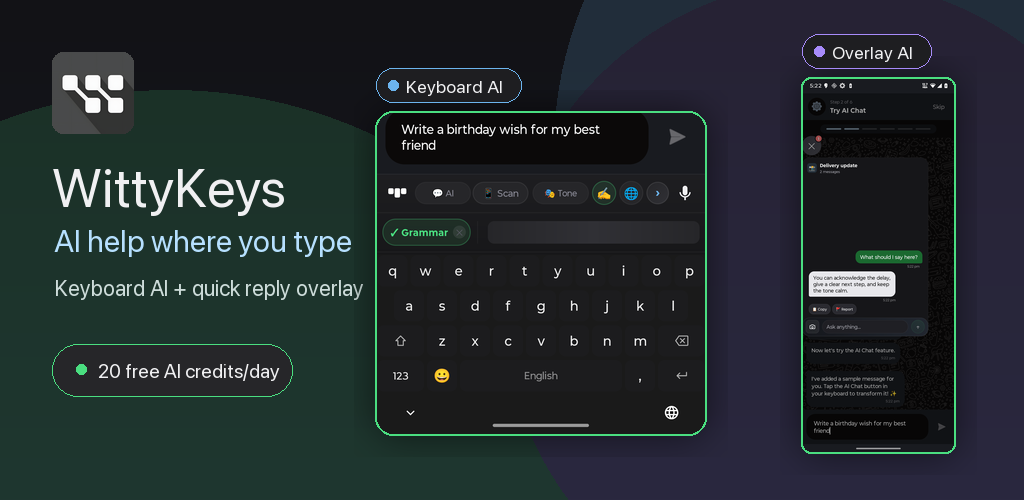
WittyKeys product graphic
RoleSolo builder across app, backend, website, release, and QA.
SurfaceKeyboard, overlay, onboarding, billing, quota, and home states.
StatusLive public product on Google Play.
SignalProduction mobile AI with release and observability discipline.
The product call

The useful moment was not another chat box.

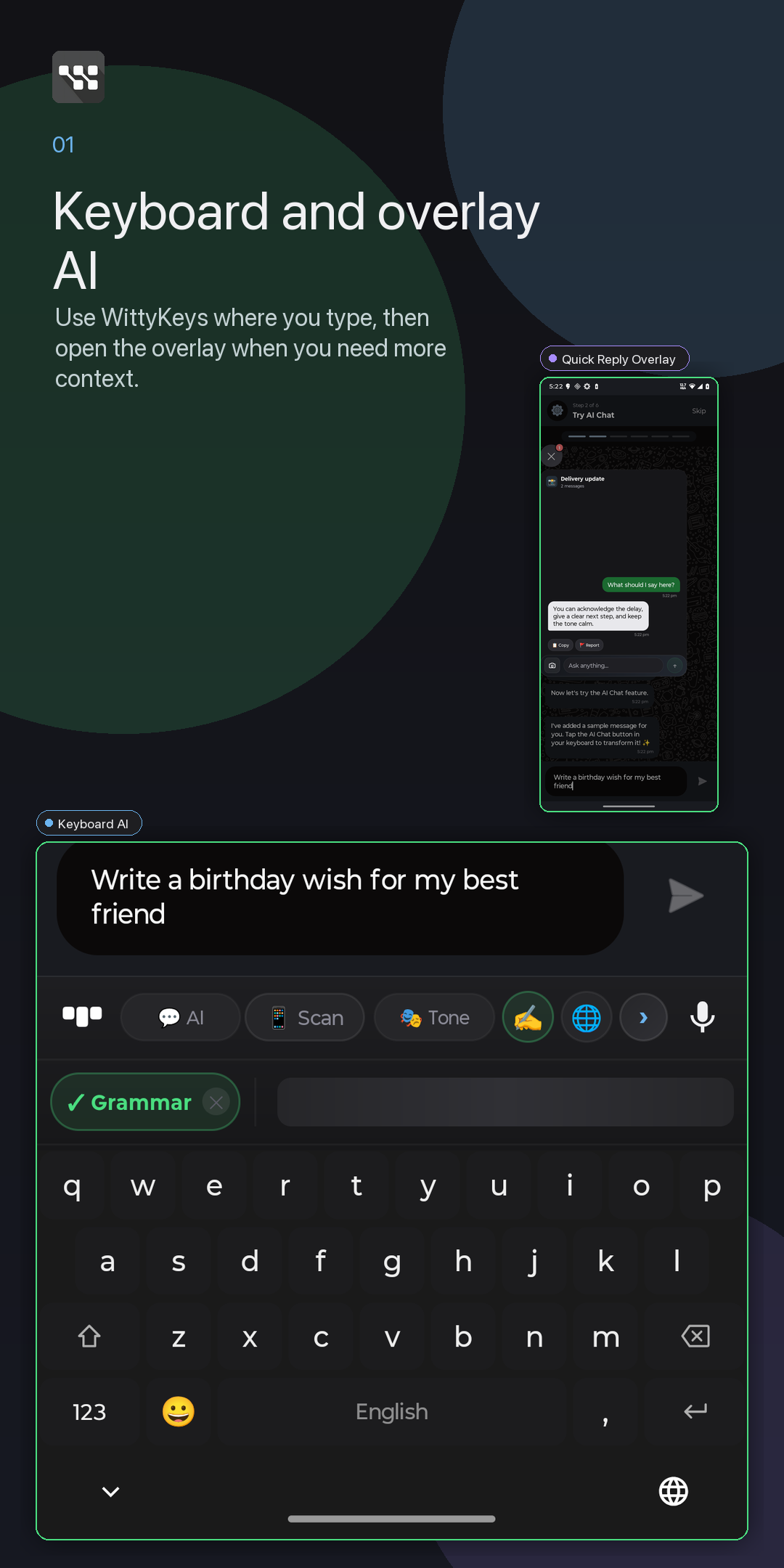
Most AI writing tools ask users to leave the conversation, copy context, generate a reply elsewhere, and paste it back. WittyKeys collapses that loop into the keyboard and a quick reply overlay.

That made the engineering work more practical: setup had to feel safe, permissions had to be understandable, quota and subscription states had to be visible, and the assistant had to help without getting in the way.

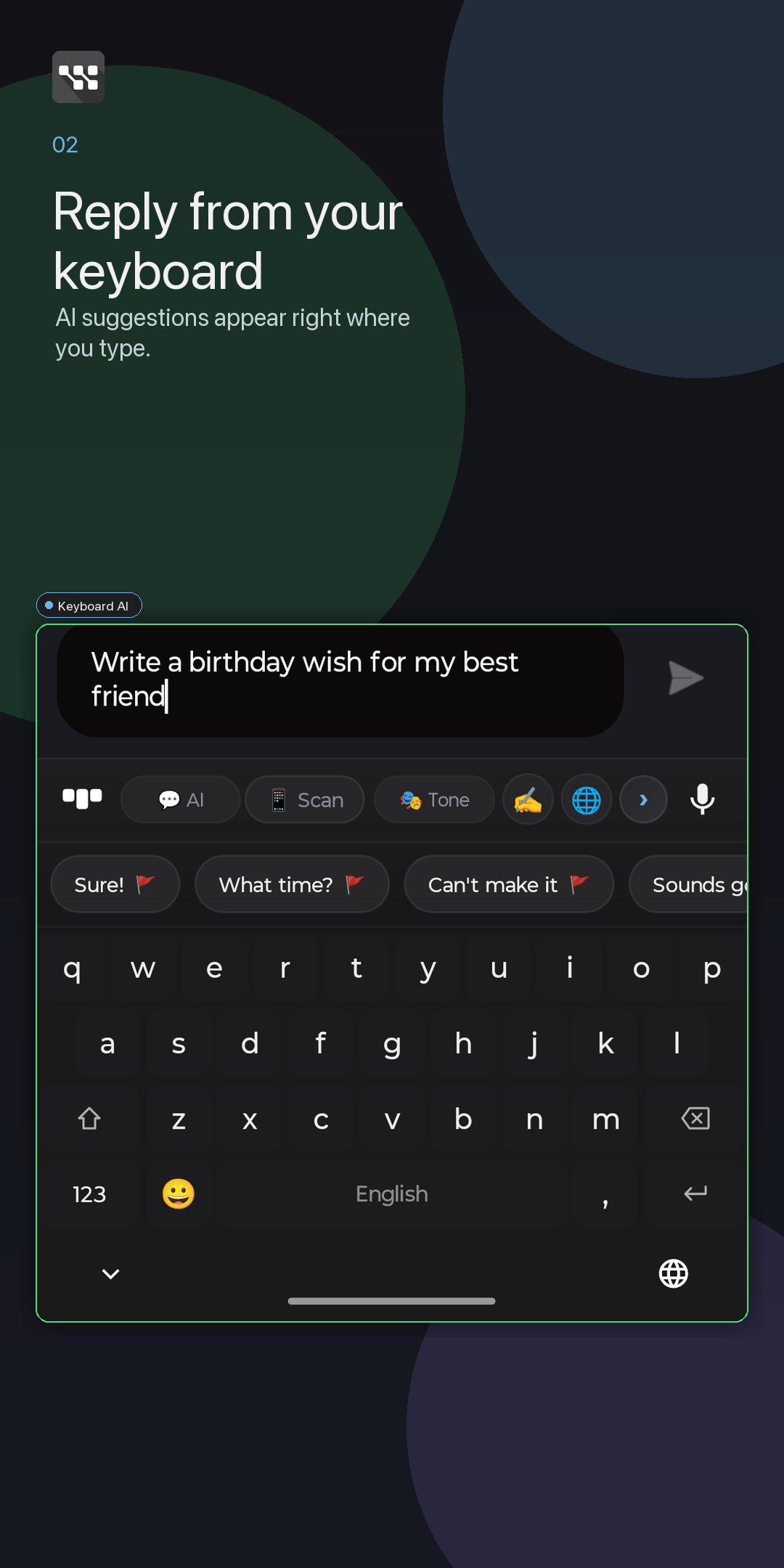
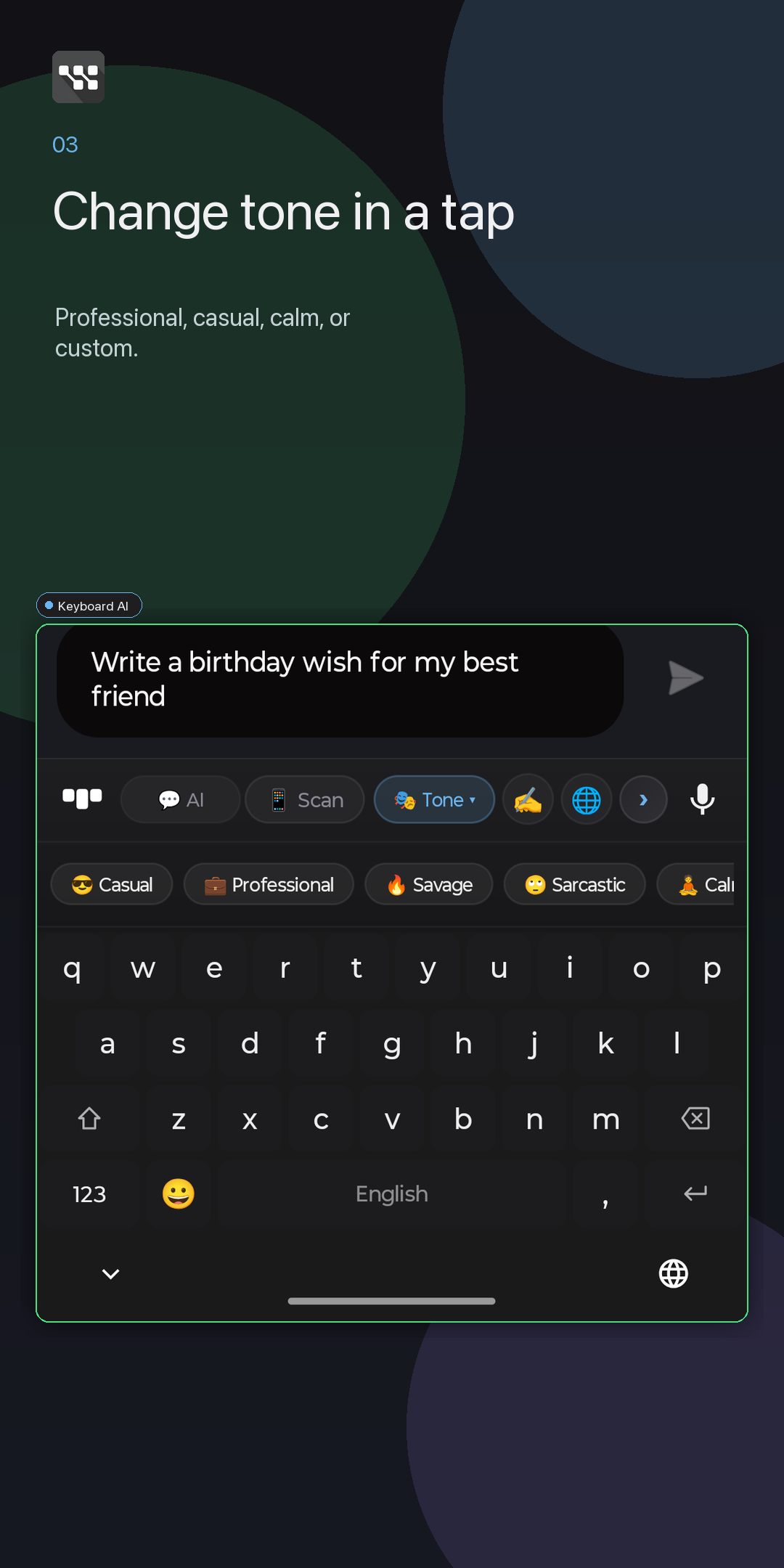
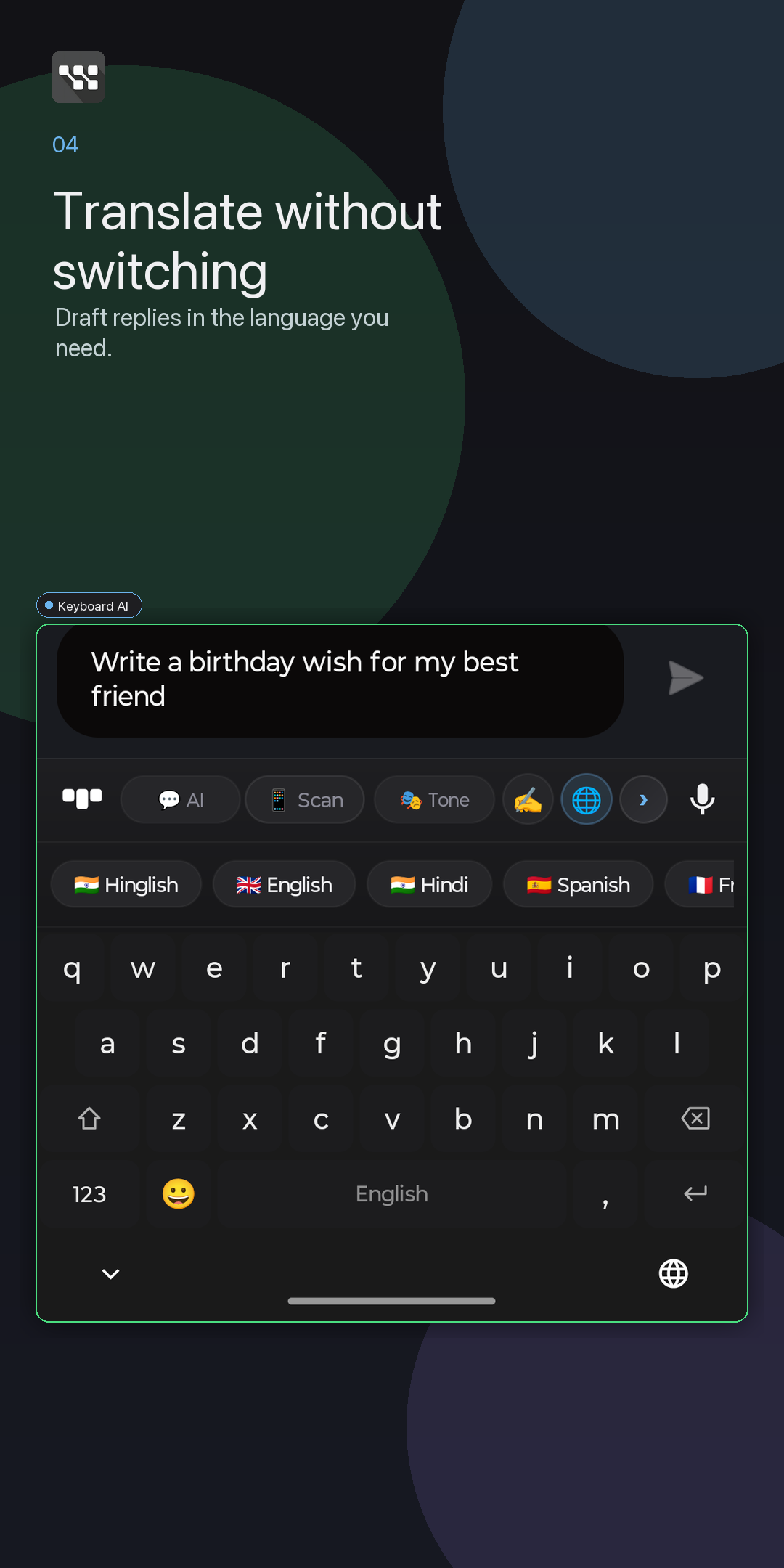
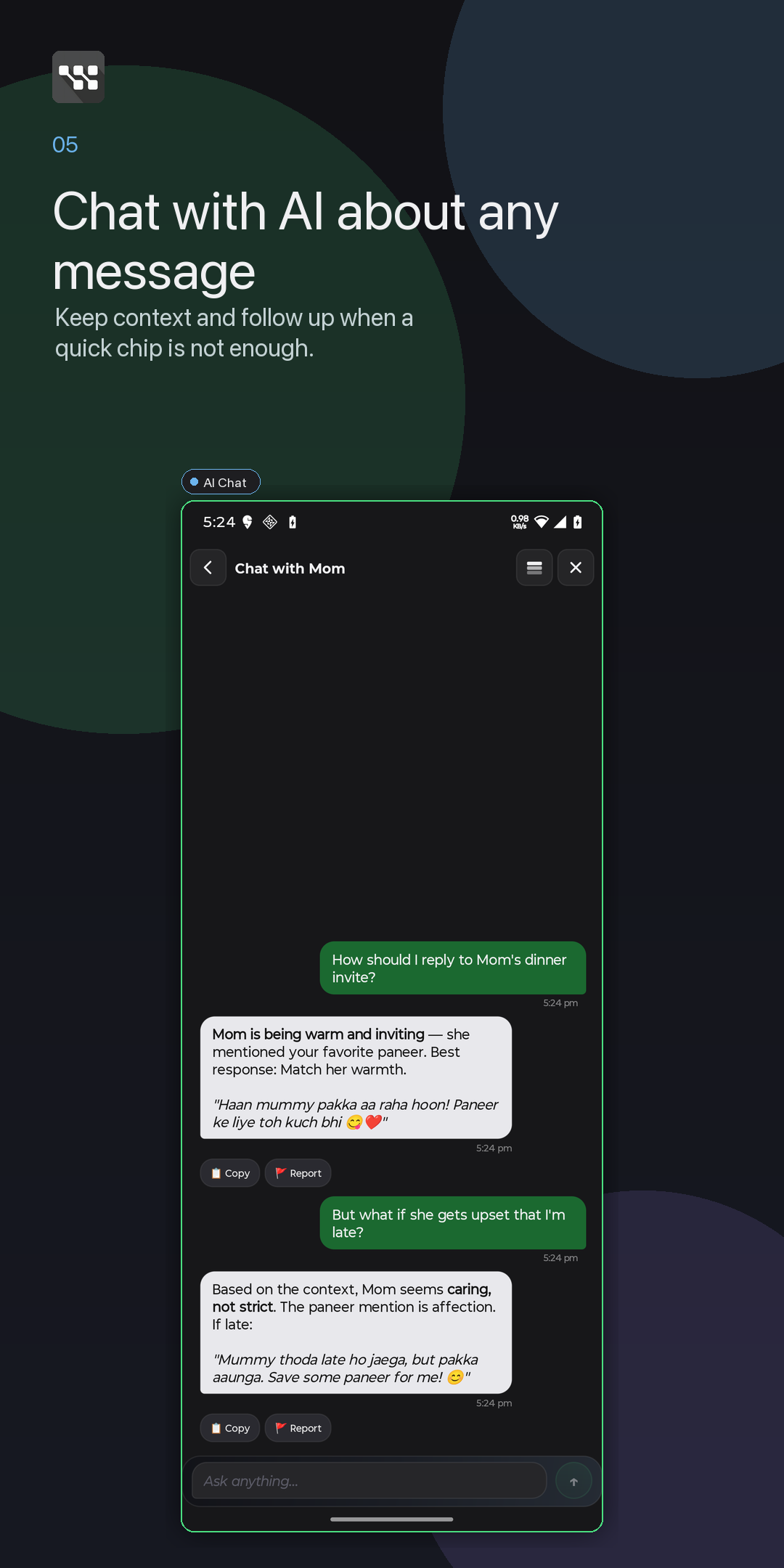
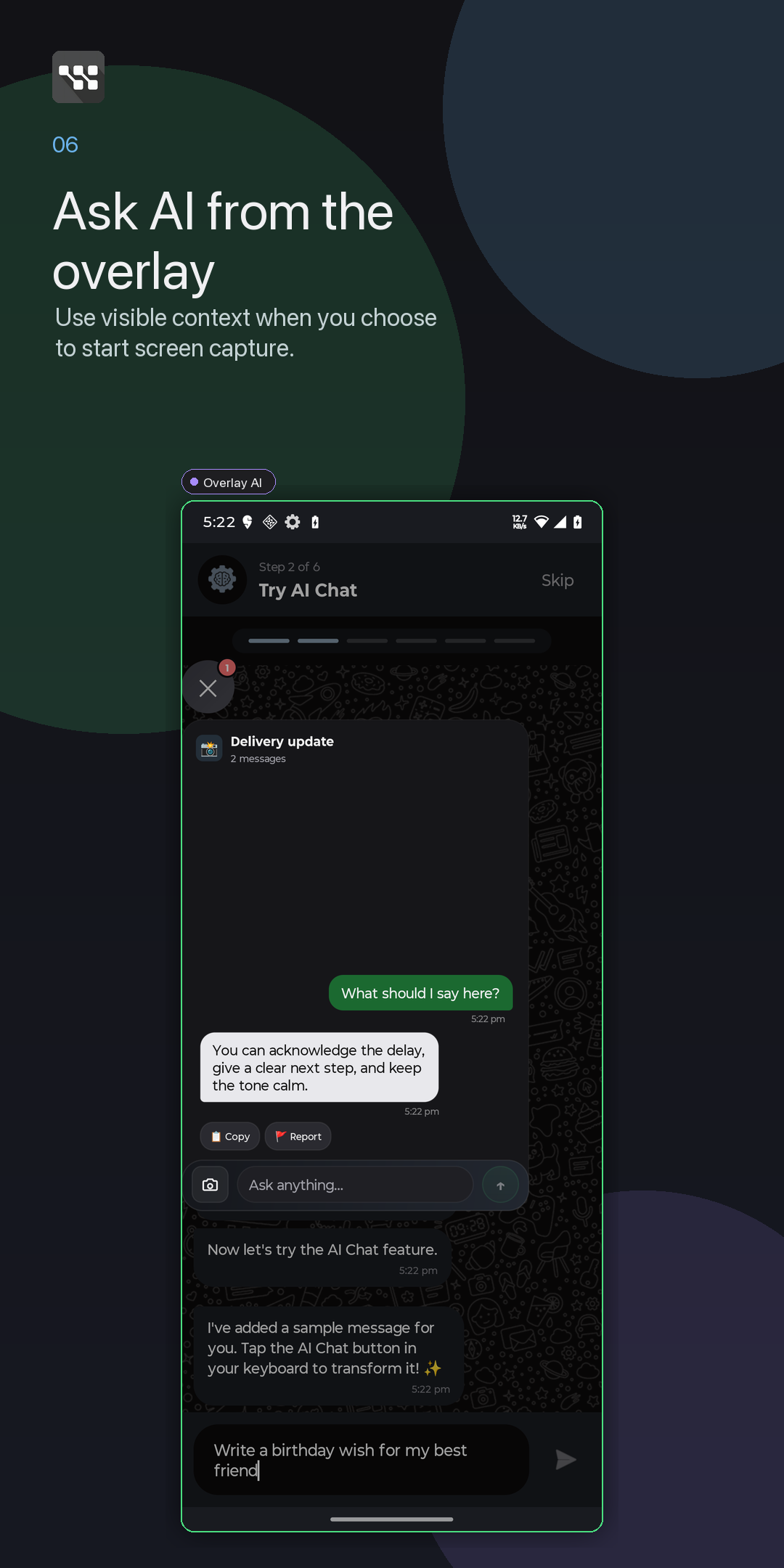
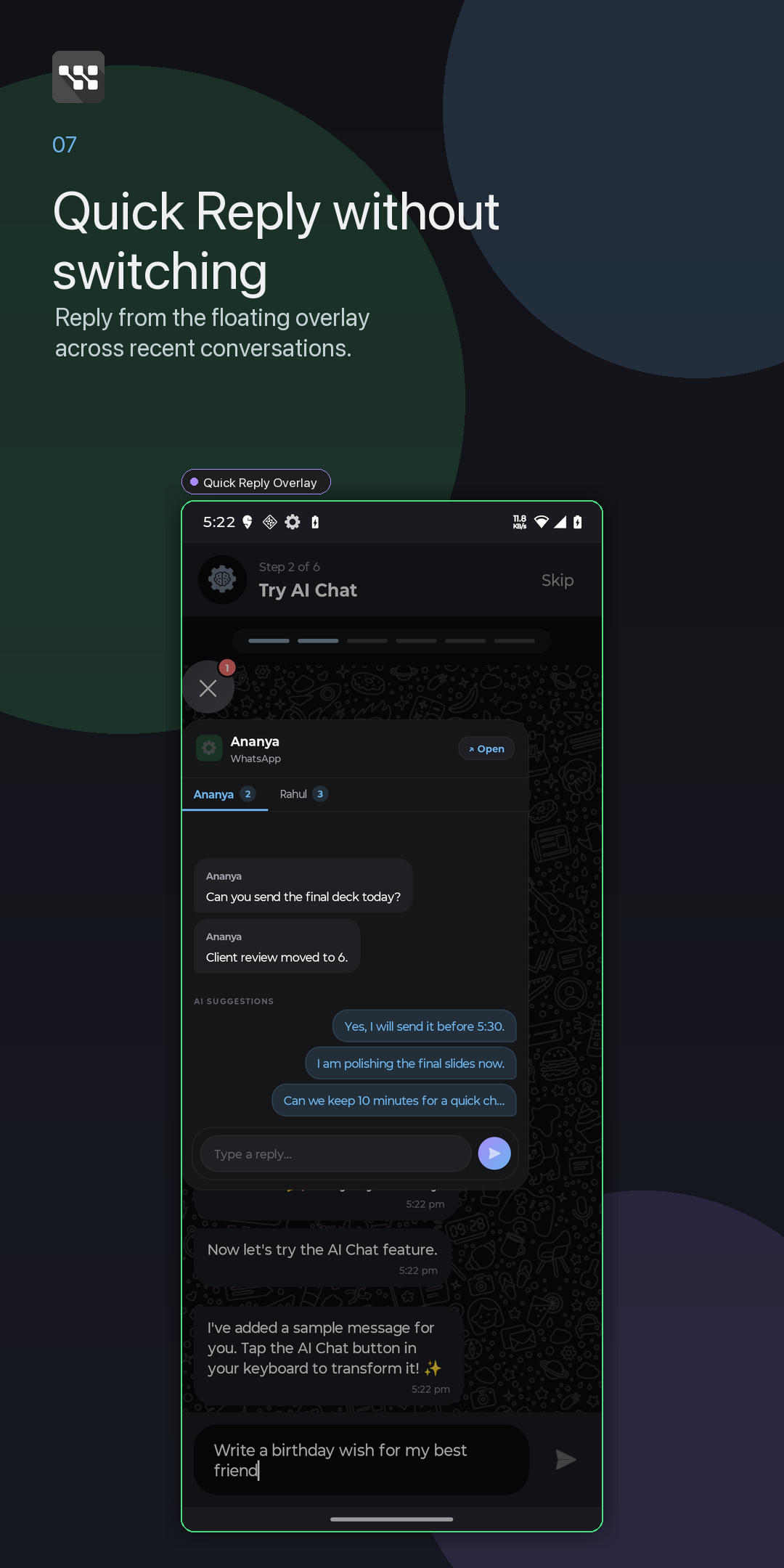
WittyKeys Play Store feature graphic WittyKeys keyboard and overlay AI WittyKeys smart reply keyboard WittyKeys tone controls WittyKeys translate controls WittyKeys AI chat with message context WittyKeys overlay ask AI WittyKeys quick reply overlay
What I owned

I rebuilt the product around trust, speed, and release confidence.

  • Focused the MVP around Quick Reply Overlay and AI Keyboard instead of a broad AI keyboard pitch.
  • Reworked onboarding, Home states, setup guidance, and first-run clarity for a sensitive Android surface.
  • Integrated Claude through Firebase-backed workflows with quota, entitlement, and Play Billing states.
  • Used automated UI checks, real-device regression, crash/performance monitoring, and backend logs before release.
Product judgmentNarrowed the product to the moments where inline AI writing help feels natural.
Mobile depthHandled permissions, keyboard trust, overlay behavior, Play Store assets, and billing edge cases.
AI operationsTreated evals, logs, prompt quality, quota, and release notes as part of the product.
Takeaway

This is a living snapshot of how I build product systems.

WittyKeys sits at the intersection I want to work in: user-facing AI, mobile constraints, backend state, release discipline, and the product taste to keep the AI feature useful instead of noisy.